A muzzle is a safety tool, not a punishment for the dog. To make sure it truly protects and doesn’t cause discomfort, it’s important to know the types of muzzles, understand when to use them, and choose the right size.
Types of muzzles
Medical (veterinary)
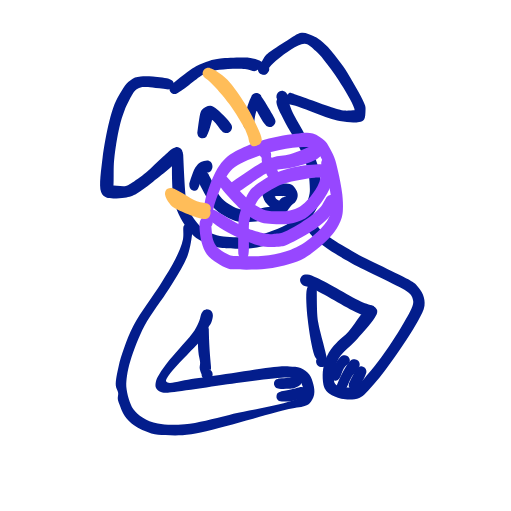
A short-term fabric or nylon option that fully closes the mouth. Used during vaccinations and examinations.
- Compact, easy to put on.
- Cannot be worn longer than a few minutes.
Closed leather
Dense leather with no ventilation. Used as an alternative to the medical muzzle for short procedures.
- Soft material, holds its shape, can be custom-made.
- Heavy, heats up quickly, can only be worn for a few minutes.
Open leather (braided)
A leather mesh with ventilation suitable for walks and trips.
- Soft, attractive, can be made to size.
- Loses shape when wet, needs care, and isn’t always comfortable in heat.
Plastic basket
A rigid basket made of thin plastic for walks and training.
- The dog can breathe with an open mouth, drink and yawn, and it helps prevent scavenging.
- Fragile plastic, can cause rubbing.
Baskerville-type plastic
Flexible thick plastic. Treats can be given through the openings.
- Good ventilation, bite protection, size can be adjusted.
- Not every model fits the muzzle length; the top strap can rub.
Plastic for coursing
An ultra-light option for running after a mechanical lure.
- Barely noticeable, well ventilated.
- Easily deforms and provides little bite protection.
Metal
A steel construction with padding. Maximum protection for aggression and large dogs.
- Reliable protection; the dog can drink and yawn.
- Heavy, heats up in summer and gets cold in winter, requires a precise fit.
Fabric or nylon (mesh)
A lightweight option that gives the appearance of a muzzle and helps prevent picking up food from the ground.
- Simple, budget-friendly, dogs adapt to it more easily.
- Doesn’t protect from bites; you can’t give treats.
How to choose the size
A suitable muzzle doesn’t press on the nose, doesn’t cover the eyes, and lets the dog open its mouth.
- Measure the circumference of the muzzle in front of the eyes.
- Measure the length from the bridge of the nose to the tip.
- Measure the open-mouth height.
Leave a small allowance: 2–3 cm in front and about 1.5–2 cm on the sides so the muzzle doesn’t restrict jaw movement.